Christmas and New Year Tags Graphics & Illustrations
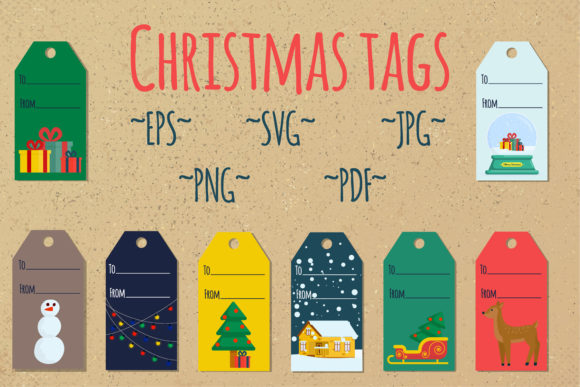
As a digital publisher who has designed countless holiday content calendars, I approach seasonal assets with a critical eye. We are not just looking for pretty pictures; we are looking for functional graphic design assets that drive engagement and support editorial narratives. When reviewing this specific collection of Christmas and New Year tags, my first impression is one of versatile warmth. The illustrations strike a balance between traditional festive charm and modern clean lines, making them suitable for a wide array of content niches ranging from lifestyle blogging to e-commerce gift guides.
The mood created by these graphics is inherently welcoming yet structured. In the world of web design, this is crucial. You want visuals that evoke the excitement of the season without overwhelming the user experience or distracting from your core message. These tags feel artisanal and thoughtful, suggesting a narrative of care and preparation. For publishers in the DIY, parenting, home decor, or affiliate marketing spaces, this aesthetic immediately signals quality to the reader. It supports content that aims to be helpful and inspiring rather than purely transactional, fostering the kind of reader trust that leads to higher conversion rates on gift recommendations.
Elevating Editorial Layouts and Blog Graphics
In a real publishing workflow, the utility of a digital download is measured by how easily it integrates into existing templates. I tested these Christmas and New Year tags within a standard WordPress blog layout, specifically for featured images and in-post headers. The composition of the tags allows for excellent negative space, which is a dream for editorial design. Unlike busy stock photos where text overlay becomes illegible, these illustrations provide designated areas for headlines, making them perfect for creating cohesive blog graphics.
For content creators building out holiday gift guides, these assets serve as ideal category thumbnails. Visual consistency across category pages improves navigation and keeps bounce rates low. By using a unified set of tag illustrations for different sections—such as "Gifts for Him," "Stocking Stuffers," or "New Year Organization"—you create a stronger visual hierarchy. Readers can instantly recognize they are still within your curated guide, reinforcing your brand identity throughout the scrolling experience. This level of polish distinguishes professional content sites from amateur blogs and directly impacts perceived authority.
Strategic Applications for Pinterest and Social Media
Holiday traffic is heavily dependent on visual discovery platforms. I evaluated these graphics specifically for their performance potential as Pinterest pin backgrounds and social media graphics. The vertical orientation of many tag designs naturally suits the 2:3 aspect ratio required for Pinterest. More importantly, the illustrative style stands out in a feed saturated with generic red-and-green photography. When used as a background for text-heavy pins, such as "10 Last-Minute Gift Ideas" or "New Year Planning Checklist," the tags add texture and context without competing with the typography.
For newsletter creators, these assets are invaluable for header design. Email clients often strip out complex formatting, but a well-designed image header remains consistent. Using these tags in your December and January newsletters creates a seamless visual bridge between your website and your inbox content. They also work exceptionally well as visual accents in content marketing campaigns, breaking up long-form text in articles about holiday traditions or end-of-year reflections. The playful yet refined nature of the illustrations encourages social sharing, extending the reach of your seasonal content organically.
Monetizing Content Through Digital Products and Lead Magnets
Beyond decorative use, this asset pack holds significant value for creators selling digital products or offering lead magnets. As someone who designs downloadable resources, I see immediate application here for printable gift tags, holiday planners, and greeting card templates. If you are an online educator or coach, these illustrations can soften the look of worksheets and checklists, making administrative tasks feel more celebratory. The ability to incorporate these tags into a Canva template allows you to quickly generate branded materials for clients or customers without starting from scratch.
For affiliate marketers, visual appeal correlates directly with click-through rates. A generic product photo is forgettable; a product photo framed by a custom-designed holiday tag graphic suggests a personal recommendation. This subtle psychological cue can improve performance in competitive holiday niches. Furthermore, if you offer a free holiday planning PDF as an email opt-in, using these high-quality illustrations on the cover increases the perceived value of the digital guide. Subscribers are more likely to engage with a resource that looks professionally designed, leading to better list health and open rates during the critical Q4 season.
Technical Considerations for Web Performance and Accessibility
A beautiful asset is useless if it slows down your site or fails accessibility standards. From a technical web design perspective, file size management is non-negotiable during the holidays when traffic spikes. Before deploying these Christmas and New Year tags, I recommend running them through compression tools like TinyPNG or ShortPixel. Aim for web-ready files under 150KB for inline graphics and under 300KB for hero images. Always serve next-gen formats like WebP to ensure fast load times on mobile devices, which is where the majority of holiday shopping research occurs.
Contrast and readability must also be audited. While the illustrations are charming, ensure they do not reduce the legibility of overlaid text. Test your designs against WCAG guidelines, especially if using white text over lighter tag elements. Additionally, always include descriptive alt text that serves both SEO and accessibility purposes. Instead of generic tags like "christmas-tag.jpg," use descriptive phrases like "illustrated gold gift tag with holly decoration for new year gift guide." This helps search engines understand the context of your creative design elements and improves image search visibility.
Licensing, Brand Safety, and Practical Publisher Notes
Before integrating any asset into a monetized workflow, verifying the commercial license is mandatory. For publishers running ads, affiliate links, or selling templates, you must confirm that the license covers commercial end-products. Never assume a creative marketplace purchase grants unlimited rights. Review the specific terms regarding modification, redistribution, and use in paid products. Protecting your business from copyright issues is just as important as the aesthetic quality of the design itself.
I also advise testing these graphics across different typographic pairings. Place the tags beside serif fonts for a classic editorial look, or pair them with bold sans-serifs for a modern retail vibe. Check how they render on dark mode versus light mode backgrounds. Finally, consider the longevity of the asset. While explicitly labeled for Christmas and New Year, the more neutral tag designs may transition well into general winter content or Valentine’s Day with simple color swaps. Maximizing the lifespan of your design assets improves ROI and maintains visual consistency across quarters. By treating these illustrations as strategic publishing tools rather than mere decorations, you elevate the entire quality of your seasonal content strategy.