Christmas Wallpaper: A Designer’s Embroidery Review
As a professional embroidery designer and product reviewer, I approach every new asset with a critical eye. When evaluating Christmas Wallpaper for potential use in machine embroidery projects, my first question is always about translation. How does a digital graphic with a canvas size of 1920 px X 1280 px actually perform when converted into stitches? This review examines the design not just as a pretty illustration, but as a functional foundation for custom apparel, holiday gifts, and commercial craft products. Whether you are an Etsy seller preparing for the Q4 rush or a hobbyist making personalized gifts, understanding the practical application of this graphics asset is essential before you thread your needle.
First Impressions and Visual Mood
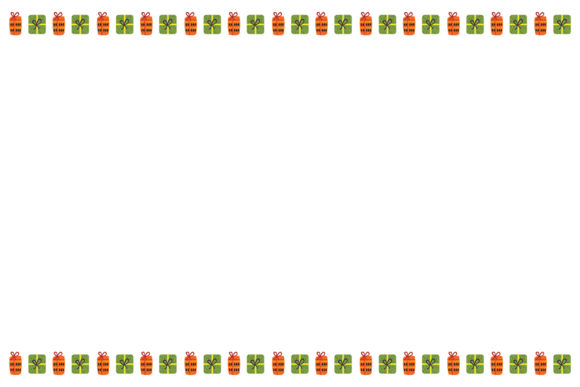
The initial impact of Christmas Wallpaper lies in its versatility as a digital illustration. At 1920 px X 1280 px, the aspect ratio is wider than it is tall, which immediately suggests specific placement strategies for embroidery. Unlike square or portrait-oriented designs that sit comfortably on a shirt chest or cap front, this landscape format naturally lends itself to horizontal applications. Visually, the design carries a festive mood that balances traditional holiday warmth with modern graphic clarity. For a maker, this means the artwork avoids overly intricate micro-details that often get lost in stitch conversion, favoring bold shapes and clear lines that translate well to satin stitch borders and fill stitch interiors.
From a branding perspective, this design feels approachable yet professional. It lacks the chaotic clutter of some holiday clip art, making it suitable for boutique merchandise where negative space is as important as the decoration itself. The visual personality strikes a balance between nostalgic and contemporary, allowing it to fit seamlessly onto both vintage-style sweatshirts and modern nursery decor. As a graphics asset, it provides enough visual weight to serve as a standalone centerpiece without requiring excessive additional embellishments.
Real-World Application: The Holiday Tote Bag Test
To truly evaluate this machine embroidery design, I mentally placed it into a real-life production scenario: creating a premium holiday tote bag for a small shop product line. Tote bags offer a large, flat stitching area that accommodates the 1920 x 1280 proportions better than almost any garment. In this context, Christmas Wallpaper serves as more than just decoration; it acts as a seasonal branding vehicle.
When planning this embroidery project, I considered how the design interacts with canvas fabric texture. The wide format allows for a centered placement that leaves ample room at the top for handles and at the bottom for structural integrity. For a handmade product like this, the design’s clean lines mean I can utilize a tear-away stabilizer effectively without worrying about complex registration issues in the corners. If I were selling this as a finished product on Etsy, the horizontal layout creates a natural "banner" effect that draws the eye across the bag, increasing perceived value and giftability.
Furthermore, this scenario highlights the importance of file flexibility. Having access to AI, EPS, SVG, DXF, JPG, and PNG formats means I am not locked into a single digitizing path. If I decide to create a matching embroidered patch instead of direct embroidery, the vector files (AI/EPS/SVG) allow me to resize the artwork for a merrowed edge border without pixelation. This adaptability is crucial for creative entrepreneurs who need to maximize the ROI of their design assets across multiple product types.
Navigating Fabric Limitations and Placement
While the landscape orientation is perfect for tote bags and pillow covers, it requires careful consideration when applied to apparel. Using Christmas Wallpaper on a standard t-shirt chest is challenging due to the width; it may extend too far toward the side seams or armholes. However, this format excels in other apparel applications. Consider sweatshirt embroidery across the upper back or yoke area, where the horizontal span complements the garment's construction. Similarly, apron fronts and kitchen tea towels provide ideal canvases that respect the original aspect ratio.
I must advise caution regarding fabric choice. Because this is categorized under Illustrations and Graphics, the stitch density will depend entirely on how you or your digitizer interprets the file. On stretchy fabrics like jersey knits, a wide design can cause tunneling or puckering if the stabilizer is insufficient. Always pair this design with a high-quality cut-away stabilizer for garments to maintain shape. Conversely, on textured fabrics like terry cloth or fleece, ensure the design elements have adequate underlay to prevent the fabric texture from swallowing the stitches. Dark fabrics present another variable; if the original graphics rely on light colors, you may need to add a white underlay base or adjust thread colors to maintain contrast and visibility.
Technical Considerations for Digitizing Success
It is vital to remember that the provided files (AI, EPS, SVG, DXF, JPG, PNG) are source graphics, not pre-digitized embroidery files. This distinction matters immensely for stitch quality. Before loading anything into your machine, you must convert these graphics into a proper embroidery format (like DST, PES, or EXP). Do not rely on auto-digitizing software alone. Auto-digitizers often misinterpret the smooth curves of vector illustrations, resulting in jagged satin stitches or unnecessary jump stitches.
When digitizing Christmas Wallpaper manually or hiring a professional, pay close attention to stitch direction. Horizontal designs can sometimes look flat if all fill stitches run in the same direction. Varying the stitch angle adds depth and mimics the shading seen in the original PNG or JPG preview. Additionally, check the smallest text or detail elements. If the illustration contains tiny lettering or thin lines, they may need to be simplified or enlarged during the digitizing process to ensure they stitch out clearly. Running stitch details below 1mm often fail to register on fabric, so editing the source vector file before digitizing is often necessary.
Commercial Viability and Professional Standards
For Etsy sellers and commercial embroidery businesses, consistency is key to customer trust. When using this design for a product line, test it thoroughly on scrap fabric that matches your final substrate. Verify that the hoop size you intend to use accommodates the full width without requiring re-hooping, which introduces alignment risks. If you plan to sell digital embroidery files derived from this artwork, confirm your licensing rights first. Ensure you have the commercial license to resell derivative works, as this protects your business from legal issues.
Presentation also drives sales. Use the included high-resolution JPG and PNG files to create printable mockups before you even stitch a single sample. This allows you to validate market interest and refine color palettes efficiently. When photographing the finished product, ensure the lighting captures the texture of the stitches, proving to buyers that this isn't just a digital print but a quality handmade item. The professional presentation of Christmas Wallpaper, combined with solid execution, elevates it from a simple seasonal graphic to a cornerstone asset for your holiday collection.
Designer’s Checklist for Implementation
- Verify Licensing: Confirm commercial usage rights for both physical products and digital file resale before listing.
- Test Stitch Out: Always run a sample on similar fabric to check density, tension, and stabilizer compatibility.
- Edit Before Digitizing: Simplify tiny details in the AI/EPS/SVG source files to prevent stitch failures.
- Check Hoop Compatibility: Measure the 1920x1280 proportion against your largest hoop to avoid multi-hoop complications.
- Contrast Check: Test thread colors against both light and dark fabrics to ensure visibility.
- Mockup First: Utilize the PNG/JPG assets for digital previews to gauge customer interest before production.
- Stabilizer Selection: Match stabilizer weight to fabric type; use cut-away for stretchy apparel and tear-away for stable woven goods.