Christmas Holly Wreath: A Designer’s Stitch Test
First Impressions: Visual Balance and Holiday Mood
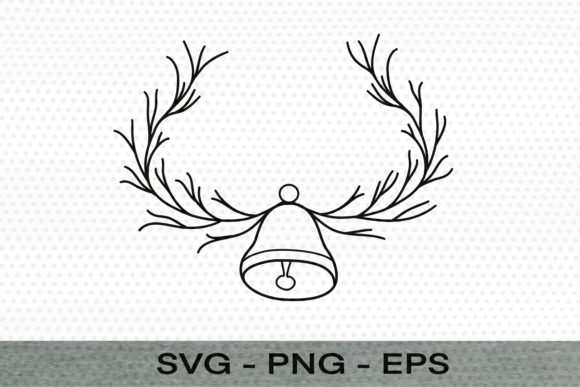
When evaluating a new machine embroidery design for my studio, I look beyond the digital preview to understand how the artwork translates into thread. The Christmas Holly Wreath immediately strikes me as a versatile classic. As an illustration, it possesses a balanced circular composition that naturally frames central space, making it ideal for monograms or standalone holiday motifs. The visual personality feels traditional yet clean, avoiding the cluttered aesthetic that often plagues seasonal graphics. For an Etsy seller or small shop product creator, this balance is crucial. It suggests a design that will read clearly from a distance on a retail display or in a thumbnail image, which is the first step in buyer engagement.
The high-quality 300 DPI export mentioned in the product details is significant for those of us creating hybrid projects. While we are discussing embroidery, having crisp source graphics allows for accurate printable mockups and iron-on transfers. This versatility means you can offer matching sets—perhaps an embroidered patch for a denim jacket and a printed transfer for a cotton tote—maintaining brand consistency across different mediums. However, before listing any finished product, a professional review requires assessing how these digital lines convert to physical stitches.
Real-World Application: Stitching the Custom Sweatshirt
To truly judge this asset, I mentally placed the Christmas Holly Wreath onto a heavyweight French terry sweatshirt, a staple in my custom apparel lineup. In this scenario, the wreath serves as a chest placement or a centered yoke design. The circular shape works harmoniously with the garment's construction, unlike rigid square designs that can cause fabric tunneling on knitwear. For a sweatshirt embroidery project, the flow of the holly leaves dictates the stitch direction. If digitized correctly, the curves should follow the natural drape of the fabric rather than fighting against it.
I also considered this design for a tote bag design intended as a holiday gift. Canvas provides a stable foundation, allowing for higher detail retention than stretchy knits. Here, the Christmas Holly Wreath acts as a focal point that elevates a basic blank into a boutique-worthy item. The negative space within the wreath is particularly valuable; it invites personalization without requiring a complete redesign. Whether adding a family name for a personalized gift or keeping it minimal for general merchandise, the layout supports both approaches. This adaptability is what separates a generic clipart file from a functional digital embroidery file for commercial use.
Navigating Fabric Variables and Hoop Constraints
Not every surface welcomes intricate holiday motifs. When planning a baby embroidery project using this wreath, caution is necessary. Baby garments are typically made of thin, stretchy interlock or jersey. A dense satin stitch border on a holly leaf could distort the fabric or create a stiff, uncomfortable area against sensitive skin. In these cases, I would recommend testing a lighter stitch density or opting for a running stitch outline variation if the embroidery file permits editing. Always pair lightweight knits with a fusible cutaway stabilizer to prevent puckering around the curved elements of the wreath.
Textured fabrics like linen tea towels or waffle-weave blankets present a different challenge. The organic texture can swallow fine details. If the Christmas Holly Wreath features delicate veins or tiny berries, they may get lost in the weave. For kitchen textiles and home decor, verify that the design elements are bold enough to stand out against the fabric texture. Conversely, when working with dark fabrics, contrast becomes king. Deep green holly on navy velvet looks luxurious but requires careful thread color selection to ensure visibility. I always advise stitching a test swatch on scrap fabric first, specifically checking how the red berries pop against your chosen background. This step saves time and prevents wasted blanks in a production run.
Commercial Viability and Product Value
For the craft business owner, the Christmas Holly Wreath represents more than just a pretty picture; it is a revenue driver. Its timeless appeal ensures it won't look dated next year, protecting your investment in design assets. When used in commercial embroidery, professionalism hinges on execution. A wreath that gaps at the seams or has misregistered layers destroys customer trust instantly. Before selling, inspect the connection points where leaves meet stems. These transition areas are common failure points in digitizing. If the design includes an applique design element, ensure the tack-down stitches are secure enough to withstand washing without fraying.
Value perception also ties into presentation. Because the source files are high-resolution illustrations, you can create stunning marketing materials. Use the 300 DPI graphics to design packaging inserts, care cards, or social media teasers that match your handmade product perfectly. This cohesive branding signals quality to buyers browsing Etsy or craft fairs. Furthermore, understanding the licensing is non-negotiable. Confirm whether your purchase allows for selling finished embroidered goods versus digital files. Respecting intellectual property protects your business reputation and ensures sustainable growth in the maker community.
Designer Notes for Successful Execution
Before loading the Christmas Holly Wreath into your machine for a client order, run through this practical checklist to ensure professional results:
- Verify Hoop Compatibility: Measure the actual stitch field dimensions against your hoop size. Never rely solely on the visual bounding box; some machines crop edges unexpectedly.
- Test Stitch Density: Run a sample on the exact fabric you intend to use. Adjust pull compensation if gaps appear between fill stitches and outlines.
- Check Thread Contrast: View your thread selection in natural light. What looks distinct on screen may blend together under indoor lighting or flash photography.
- Stabilizer Selection: Match stabilizer weight to fabric drape. Heavy tear-away for canvas, soft cutaway for apparel, and water-soluble topper for textured surfaces.
- Mockup Validation: Create black and white mockups alongside color versions. If the design reads well in grayscale, the value structure is solid.
- Wash Testing: For items like aprons or baby clothes, wash and dry your test piece to check for shrinkage or thread integrity issues.
- License Confirmation: Double-check terms regarding digital product sales versus physical finished product sales to avoid infringement.
Elevating Your Holiday Collection
The Christmas Holly Wreath offers a strong foundation for seasonal collections, provided it is treated with technical respect. Its strength lies in its compositional balance and adaptability across various substrates, from sturdy canvas to delicate knits. By approaching this embroidery project with a critical eye toward stabilization, density, and end-use application, you transform a digital graphic into a tangible, high-value asset. Whether you are crafting a signature holiday embroidery line for your shop or creating meaningful gifts, let practical testing guide your creative decisions. The result will be products that not only capture the festive spirit but also withstand the scrutiny of discerning customers and the rigors of daily use.