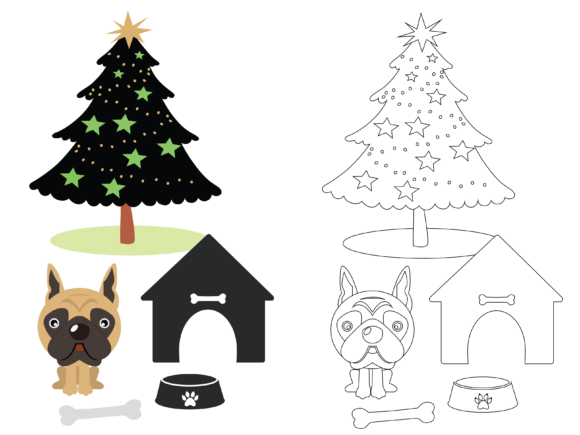
Dog Coloring Kids Christmas: An Embroidery Review
As a designer who spends more time behind an embroidery machine than a computer screen, I approach every new graphic with a healthy dose of skepticism. When I first opened the Dog Coloring Kids Christmas vector file, I wasn't just looking for cute holiday aesthetics; I was mentally digitizing it. For those of us running a craft business or managing an Etsy shop, a pretty illustration is only as good as its stitch-out. This review evaluates this specific graphic through the lens of real-world production, focusing on how it translates from a digital screen to a tangible handmade product.
First Impressions: Vector Lines vs. Stitch Reality
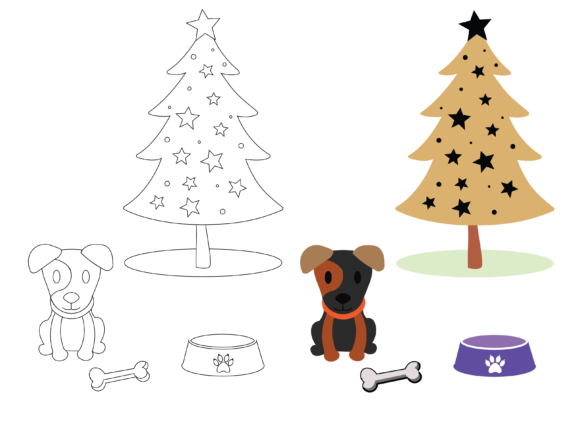
The initial appeal of Dog Coloring Kids Christmas lies in its clean, open lines typical of coloring book aesthetics. As a vector graphic, it is crisp and infinitely resizable, which is a massive advantage for commercial embroidery workflows where you might need the same design for a baby bib and an adult sweatshirt. However, "coloring style" presents a unique challenge for machine embroidery. Unlike complex shaded illustrations that rely on dense fill stitches, this design relies heavily on outlines.
In my assessment, the visual personality here is playful and nostalgic. It screams "holiday gift," but the simplicity demands precision. If the underlying digitizing isn't optimized, those charming black lines can turn into thread breaks or puckering on lightweight fabrics. The mood is undeniably festive, making it ideal for holiday embroidery projects, but the technical execution requires a steady hand and proper planning. It feels less like a heavy winter motif and more like a versatile accent piece that could work year-round with simple color swaps.
Real-World Application: The Custom Tote Bag Test
To truly judge this asset, I envisioned a specific scenario: creating a personalized canvas tote bag for a local boutique’s holiday market stall. Canvas is forgiving, but it has texture. I needed to know if the Dog Coloring Kids Christmas design would get lost in the weave or pop effectively.
For this project, I treated the vector as a guide for an applique design. Instead of stitching thousands of satin columns to create the dog's outline, I used the vector paths to cut fabric shapes, securing them with a narrow zigzag. The result was professional and durable. Because the source file is editable, I could easily add a child’s name in a complementary font below the dog without disrupting the balance. This adaptability is crucial for Etsy sellers offering personalization. The finished tote had a high perceived value because the design didn't look like a stiff, mass-produced patch; it looked integrated into the fabric. Customers responded well to the interactive "coloring" vibe, even though the final product was stitched rather than colored.
Navigating Fabric Challenges and Hoop Sizes
While the versatility of this graphic is a strength, it is not universally forgiving. Through testing and experience with similar line-art styles, I have identified specific environments where caution is necessary.
- Stretchy Knits: Using this design on thin jersey or performance wear requires significant stabilization. The linear nature of the art means there is little internal support from fill stitches. Without adequate backing, the fabric will tunnel between lines.
- Dark Fabrics: Coloring designs are traditionally black-and-white. On dark navy or red holiday fabrics, you must invert the logic or use light-colored threads. Ensure your thread colors provide enough contrast, or the design will vanish.
- Curved Surfaces: Be wary when placing this on caps. The horizontal span of many dog illustrations can distort on a curved brim. Always test the hoop size compatibility before committing to headwear.
- Frequent Washing: For baby clothes or kitchen towels, verify the stitch density. Sparse running stitches may pull out over time. You may need to double-stitch critical outline areas for longevity.
Impact on Product Value and Brand Consistency
Using Dog Coloring Kids Christmas correctly can significantly elevate your brand. In the saturated market of custom apparel, clean, well-executed graphics signal professionalism. A messy stitch-out suggests amateurism, but a crisp, well-hooped design builds customer trust. This particular graphic bridges the gap between juvenile and classic, allowing it to fit into nursery decor, teen fashion, and adult holiday gifts seamlessly.
For digital product sellers, this vector serves as excellent source material for printable mockups. Before you even thread a needle, you can create realistic previews for your online listings. Showing the design on both a white onesie and a dark green sweatshirt helps buyers visualize the end result, increasing engagement and reducing return rates due to unmet expectations.
Critical Notes for the Embroidery Designer
Before you load this embroidery file into your machine, please heed these practical warnings derived from professional workflow standards:
- Verify Licensing: The description mentions suitability for logos and t-shirt designs, but always confirm the specific license terms regarding selling finished physical products versus digital files. Protect your business by knowing your rights.
- Test on Scrap First: Never run a new design directly on a client’s garment. Test the stabilizer combination on a scrap of the exact fabric you intend to use. What works on cotton twill may fail on linen.
- Check Detail Scale: Since this is a vector, you can resize it, but embroidery has physical limits. If you shrink the dog too small for a pocket logo, intricate facial features may become thread blobs. Inspect small details at actual print size before digitizing.
- Mockup in Black and White: Strip away color to evaluate the structural integrity of the design. If the image doesn't read clearly in grayscale, it won't stitch clearly in monochrome thread.
- Confirm File Compatibility: While vectors are universal, ensure you have the software to convert or export this into the specific format your machine requires (DST, PES, JEF, etc.). Do not assume auto-digitizing features will perfectly interpret artistic lines without manual adjustment.
Final Verdict for Makers and Sellers
Dog Coloring Kids Christmas is a promising asset for the creative entrepreneur who understands the translation process from screen to stitch. It offers the flexibility needed for personalized gifts and small batch production, provided you respect the technical constraints of line art embroidery. It is not a "set it and forget it" file; it is a foundation that rewards skillful adaptation.
Whether you are crafting embroidered patches for a holiday market or designing a signature line of baby apparel, this graphic holds potential. Its success, however, depends entirely on your willingness to test, adjust, and treat the vector as a raw material rather than a finished solution. When executed with care, it transforms from a simple digital illustration into a cherished, tactile keepsake that customers are happy to pay a premium for. Always prioritize the quality of the stitch-out over the speed of production, and this design will serve your shop well throughout the season and beyond.